
你有没有发现,自己总是在凌晨 3点、4点悄然醒来?夜色正深,四周安静无声,明明身体疲惫不堪,却偏偏在这个时候睁开双眼,再也无法沉沉睡去,只能辗转反侧,听着时间一点点流逝。
Have you noticed that you always wake up at 3 or 4 a.m.? It’s so early that everything around you is very silent. Even though your body is exhausted, you open your eyes at that exact time and can’t fall back asleep only tossing and turning, listening to the minutes slowly pass by.
第二天,又拖着还未恢复的身体继续上班、处理琐事、应对生活。日复一日,慢慢地,你会发现精神不如从前,体力也悄悄下滑。
The next day, you drag your exhausted body to work, dealing with trivial matters and coping with daily life. Day after day, you gradually notice that your energy is no longer like what it used to be, and your physical strength begins to decline.
很多人以为,凌晨三四点醒来,不过是压力太大、想太多而已。可在传统养身看来,固定时间醒来,往往不是偶然,而是身体正在向你发出讯号。
Many people think that waking up at three or four o’clock in the morning is simply caused by too much stress. But from the perspective of traditional holistic wellness, waking up at a fixed early time is not accidental—it may be your body sending a signal.
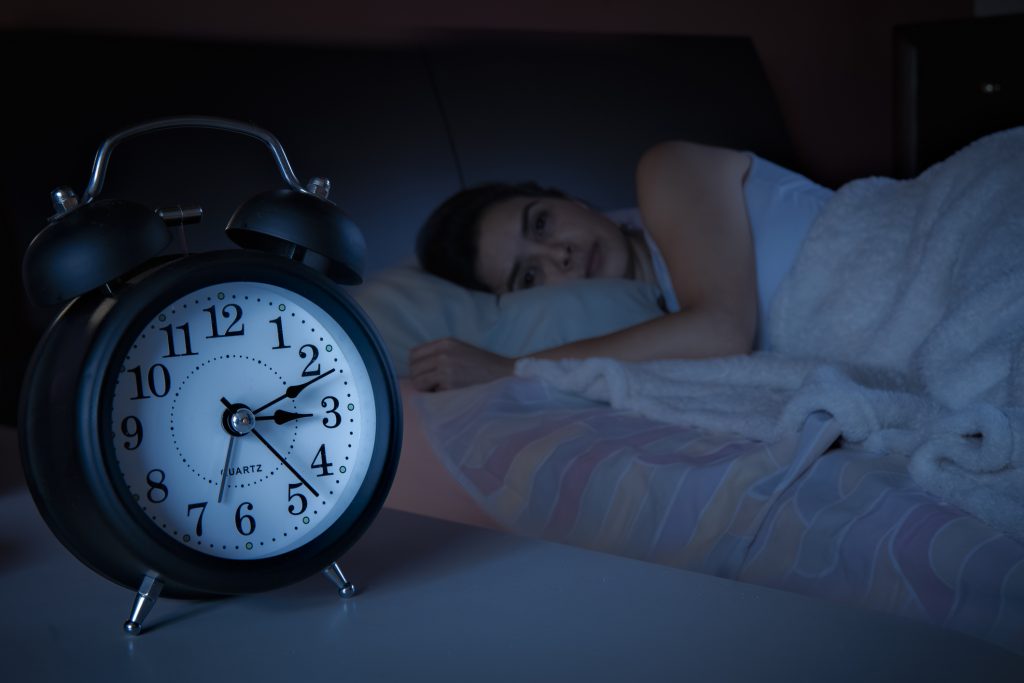
Sleep disorder themes: Young woman lying awake in bed at night looking at alarm clock in foreground. Concept of insomnia, sleep disorder, anxiety, stress, time pressure, and difficulty falling asleep. Image licensed through iStock. All copyrights are owned by the original creator.
尤其凌晨 3点到4点之间,正是肺经气血运行最旺盛的时刻。这段时间频繁醒来,可能与情绪郁结、气血不足、睡眠失调,甚至身体虚弱息息相关。
Especially between 3 a.m. and 4 a.m., which is when the lung meridian’s qi and blood circulate vigorously. Frequent waking up during this period may be closely related to emotional depression, qi and blood deficiency, sleep disorders, or even physical weakness.
今天,就带你一起了解:为什么你总在这个时间醒来,而身体,又想告诉你什么。
Today, let’s explore why you always wake up at this time, and what your body is trying to tell you.
凌晨 3点到4点,若从子午流注 与经络养生的角度来看,此时经络之气正运行至 寅时(3:00am–5:00am),也是 肺经当令 的时刻。
From 3:00 to 4:00 a.m., according to the TCM theory of Ziwu Liuzhu and meridian health preservation, the Qi in the meridians enters the Yin hour (3:00–5:00 a.m.), which is also the peak time of the Lung meridian.
传统养身认为,天地在此刻由沉静渐渐转向苏醒,夜色未退,晨气初生,而人体的气机也随着自然节律悄然运转。肺主气,司呼吸,朝百脉,与情绪宣发、气血输布息息相关。
Holistic concept believes that at this moment, universe and earth gradually shift from stillness to awakening; the night has not yet faded, and the energy of morning is just beginning to rise, while the body’s Qi also moves with nature’s rhythm. The lungs govern Qi and control respiration, connect with all the vessels in the morning, and are closely related to emotional expression as well as the circulation of Qi and blood.
因此,若总在凌晨三四点醒来,这种情况常被视为身体发出的提醒,可能与 肺气失调、情绪郁结、气血运行不畅,或整体虚弱状态有关。
Therefore, if you often wake up at 3:00 am or 4:00am in the morning, TCM considers it a signal from the body that may be related to an imbalance of Lung Qi, emotional stagnation, poor circulation of Qi and blood, or overall physical weakness.
肺气不足或肺阴虚的人,睡眠往往不够深沉,容易在夜半醒来后再难入睡。醒来时常伴有咽喉干涩、皮肤缺乏润泽之感,白日里则容易感到疲倦、气息偏短,仿佛身体的“呼吸之力”不足以支撑一整夜的安稳沉眠。
People with Lung Qi deficiency or Lung Yin deficiency often do not sleep deeply and may have difficulty falling back asleep after waking in the middle of the night. Due to sleep quality issue, they may experience dry throat and dry skin, and during the day they often feel fatigued and short of breath.
情绪郁结的人,则多被无形的思绪牵绊。外表看似平静,内里却常有压力与心事盘旋。夜深人静时,一旦醒来,思绪便如潮水般涌起,难以停歇,胸口隐隐发闷,常不自觉地叹息,仿佛情绪被困在身体里,无法舒展。
People with pent-up emotions are often entangled by invisible thoughts. They may seem calm, but inside there is often pressure and lingering worries. Deep at night, once awake, their thoughts surge like a tide, hard to stop, with a vague tightness in the chest, as if their emotions are trapped in the body, feeling the stress.
肝火郁结者,虽肝经主时在凌晨一点至三点,但若长期熬夜、饮酒或作息紊乱,体内的郁热并不会随时间散去,而是延续至三四点仍扰清梦。此类人醒来时,常觉口中微苦,情绪易急易怒,胸胁有胀感,甚至伴有夜间潮热,仿佛体内仍有一团未散的火气在流动。
For those with liver fire stagnation, although the liver meridian is primarily active from 1 to 3 a.m., if they stay up late for long periods, drink alcohol, or have irregular routines, the internal heat will not dissipate over time and may continue to disturb dreams until 3 or 4 a.m. Such group of people often wake up with a slightly bitter taste in their mouth, are prone to irritability and anger, feel distension in the chest and flanks, and may even experience night sweats, as if there is a lingering liver fire moving within their body.
而气血不足之人,则更像是“底气不足以安睡”。无论是年岁增长、长期劳累,还是持续的精神消耗,都会让气血渐渐亏虚。睡眠因此变得浅而易醒,往往在固定时段被轻轻唤醒,之后再难回到深沉的睡意之中。
People with insufficient Qi and blood are more likely to experience a sense of “not having enough inner energy to sleep peacefully.” Whether due to aging, long-term fatigue, or prolonged mental strain, this can gradually lead to a deficiency of Qi and blood. As a result, sleep becomes shallow and easily disturbed, with frequent awakenings at fixed times, making it difficult to fall into deep sleep.
针对以上这些不同体质的早醒型失眠,传统调理的办法:
For these different types of early awakening, the methods of regulation are:
晚9点后少做这几件事:不吃太饱,不喝酒,不激烈运动,少看刺激内容,尽量不在睡前2小时工作
Do fewer of these things after 9 PM: avoid eating too much, avoid drinking alcohol, avoid intense exercise, reduce exposure to highly stimulating content, and try not to work within two hours before bedtime.
食疗(肺阴不足型):日常补品百合莲子汤,银耳雪梨汤;高档补品燕窝等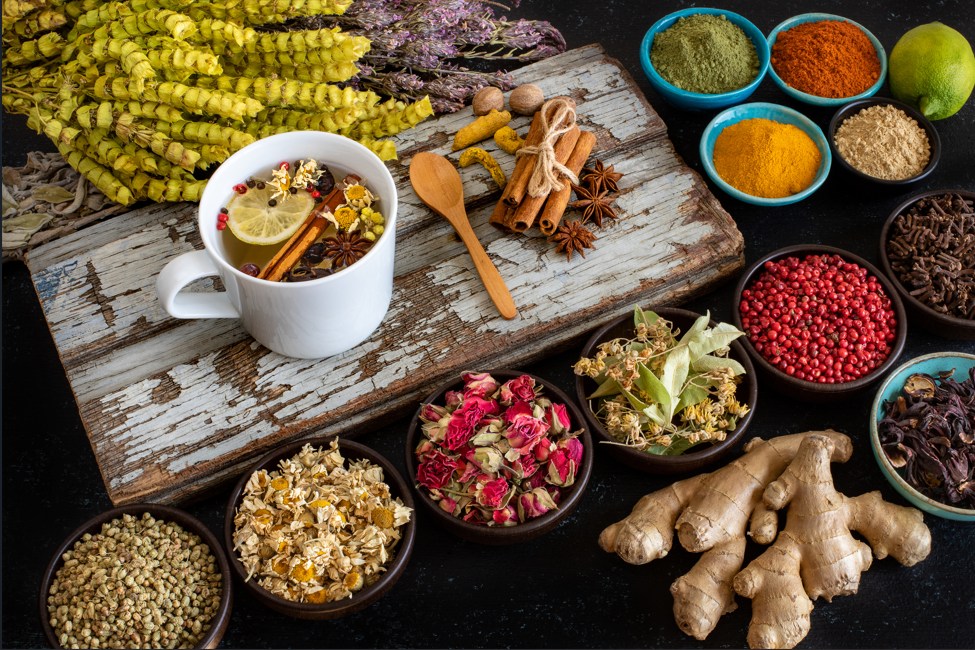
Diet maintenance (for lung yin deficiency type): Lily and lotus seed soup, and white fungus with pear soup. More premium supplements include bird’s nest, among others. Image licensed through iStock. All copyrights are owned by the original creator.
草本保健(肝气郁结型):逍遥丸
(肝郁化火型):加味逍遥丸
Herbal Health Care (Liver Qi Stagnation Type): Xiao Yao Wan Pills
(Liver Qi Transforming into Fire Type): Jia Wei Xiao Yao Pills
(Qi and Blood Deficiency Type): Poria and Jujube Seed Tea; Astragalus, Codonopsis, and Goji Berry Tea, etc.
白天应有至少半小时的运动量,以流畅气血,减少体液循环中的运行不畅,改善身体微循环,让细胞有更多的养分和养料。
There should be at least half an hour of exercise during the day to promote smooth circulation of qi and blood, reduce stagnation of bodily fluids, improve microcirculation in the body, and provide cells with more nutrients and nourishment.
所以,凌晨三四点反复醒来,并不只是“睡不好”这么简单。从中医来看,它更像是一种身体的节律失衡——或是肺气不充、情绪未舒,或是肝郁化热、虚实交织,又或是气血渐虚、难以安眠。
So, repeatedly waking up at three or four in the morning is not just a simple case of ‘poor sleep.’ From the perspective of traditional Chinese medicine, it is more likely an imbalance in the body’s rhythms—whether it is insufficient lung energy and unresolved emotions, or liver stagnation turning into heat with a mix of deficiency and excess, or gradually declining qi and blood making it difficult to sleep.
当夜深人静,万物皆息,而你却在这个时间醒来,其实不是身体在“打扰你”,而是在用它最安静的方式提醒你:该调整的不只是睡眠,而是生活的节奏、情绪的流动,以及身体长期被忽视的消耗。
When the night is coming, everything is at rest, yet you wake up at this time, it’s not actually your body ‘disturbing you,’ but quietly reminding you in its way: what needs adjustment is not just your sleep, but the rhythm of your lifestyle.
读懂这一刻的醒来,也许就读懂了身体真正的语言。
Understanding the reasons for waking up between 3:00 a.m. and 4:00 a.m. may help you better understand your body’s signals.
产品推荐:
—本内容仅供信息参考之用,不构成医疗建议、诊断或治疗。有关任何医疗问题,请咨询合格的医疗专业人士。
This content is provided for informational purposes only and is not intended to constitute medical advice, diagnosis, or treatment. Please consult a qualified healthcare professional regarding any medical concerns.

德成行(tsEMPORIUM.com)创立于1979年,深耕北美市场多年,专注于中药材、花旗参、海味山珍及各类滋补养生产品的甄选与供应。多年来,德成行始终坚持为广大消费者提供高品质、高性价比的美国花旗参、冬虫夏草、金丝燕窝,以及丰富齐全的中药与滋补品选择。致力于让更多人轻松享受优质养生产品,为健康生活增添更多安心与便利。
T S Emporium (www.tsEMPORIUM.com), established in 1979, has been firmly rooted in the North American market for decades, specializing in the sourcing and distribution of traditional herbs, American ginseng, dried seafood delicacies, and a wide range of premium health and wellness products.
赞 (3)